

Luxury in America is no longer defined solely by price tags, rare materials, or square footage. The modern luxury lifestyle has evolved into something far more nuanced—an intentional blend of wealth, wellness, privacy, personalization, and meaningful experiences. For today’s affluent American audience, luxury is not about excess. It is about control, time, and curated living.
Across major metropolitan hubs and emerging elite enclaves, high-net-worth individuals are reshaping what it means to live well. The shift is clear: luxury is moving from visible status symbols toward invisible advantages.
From Ownership to Experience
In previous decades, luxury centered around ownership—larger homes, more cars, bigger yachts. While those assets still matter, today’s American luxury consumer places increasing emphasis on experiences that deliver emotional return.
Private travel experiences are now designed around personalization. Instead of booking five-star resorts in bulk, affluent travelers seek fully customized itineraries: private island buyouts, remote wilderness lodges with helicopter access, and curated culinary journeys led by renowned chefs. The appeal lies not just in exclusivity, but in access that feels rare and unscripted.
Time has become the ultimate luxury. Concierge medicine eliminates waiting rooms. Membership-only aviation programs eliminate airport congestion. Dedicated travel advisors manage every detail. The goal is frictionless living.
Luxury now means reducing stress rather than increasing display.
The Rise of Intentional Homes
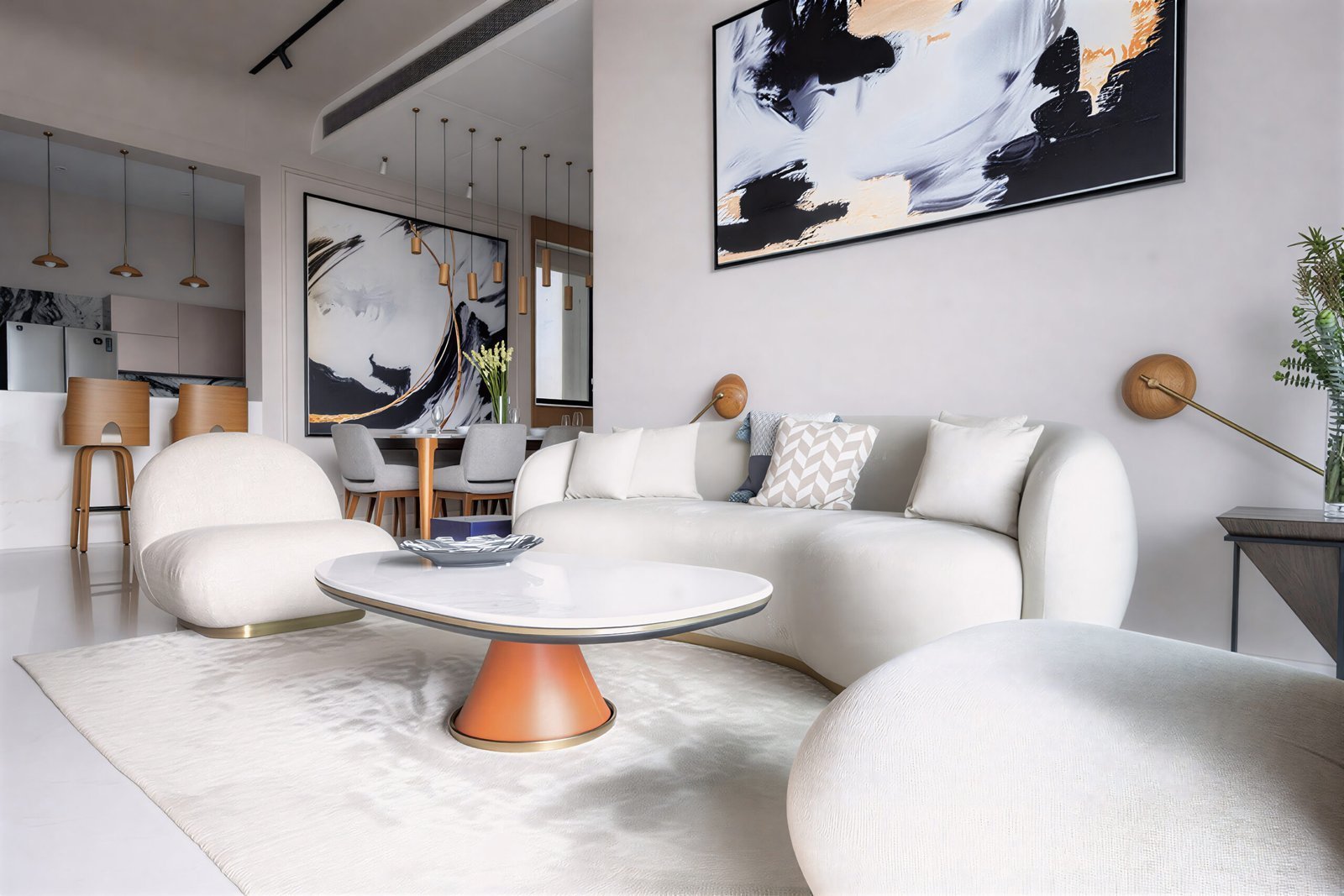
In the United States, luxury real estate has undergone a philosophical shift. Buyers are no longer chasing only square footage; they are prioritizing livability, privacy, and wellness integration.
Modern luxury homes now feature:
- Dedicated wellness wings with spa-grade steam rooms and cold plunge pools
- Advanced air and water purification systems
- Soundproof home offices for executives and creators
- Smart glass technology for instant privacy
- Outdoor entertaining spaces designed as year-round sanctuaries
The luxury home is becoming a private resort. It must support productivity, restoration, and social status simultaneously.
Architecturally, there is a move toward organic materials, minimalist lines, and indoor-outdoor fluidity. Marble and glass still dominate, but warmth and sustainability are influencing design decisions. Reclaimed wood, solar integration, and biophilic layouts reflect a deeper awareness of environmental impact.
American luxury homeowners want properties that feel powerful yet peaceful.
Wellness as a Status Symbol
Wellness has become one of the most defining pillars of the luxury lifestyle.
High-income Americans are investing heavily in longevity optimization. Private fitness studios, bio-optimization clinics, advanced blood testing, and hormone balancing treatments are increasingly common among executives and entrepreneurs.
Luxury wellness now includes:
- Personal performance coaches
- Private yoga instructors
- Cryotherapy chambers in-home
- Hyperbaric oxygen therapy
- DNA-based nutrition plans
This is not casual fitness. It is strategic health management.
Mental performance is also part of this shift. Meditation spaces, executive coaching, and digital detox retreats are now considered as essential as financial advisors. High performers understand that clarity and energy are competitive advantages.
Luxury is no longer just about looking successful. It is about sustaining success.
Curated Social Circles
American luxury culture has also become more selective socially.
Private membership clubs are thriving. Invitation-only communities offer high-level networking in controlled environments. These are not traditional country clubs; they are modern ecosystems of entrepreneurs, investors, creatives, and industry leaders.
Social currency now matters as much as financial capital.
Luxury lifestyle events have evolved beyond galas and red carpets. Intimate dinners hosted by founders, private art unveilings, curated wine tastings, and discreet investment summits create meaningful access. The emphasis is on connection rather than spectacle.
Privacy has become a badge of sophistication. Many affluent Americans intentionally avoid oversharing online. Discretion is the new elegance.
The Subtle Power of Luxury Goods
While lifestyle shifts toward experiences, luxury goods remain influential—but in more refined ways.
The modern affluent consumer favors limited-edition pieces over mass-recognized logos. Understated design signals insider knowledge. Quiet luxury—minimal branding, superior craftsmanship—has overtaken overt flashiness.
Watches, handbags, bespoke tailoring, and handcrafted jewelry are investments in identity rather than status.
Collectors seek rarity. Whether it is a custom timepiece, a handcrafted leather piece, or a bespoke fragrance blend, personalization defines value.
In 2026 America, luxury is less about showing wealth and more about signaling taste.
Mobility Without Compromise
Transportation remains central to the luxury ecosystem.
High-end electric vehicles are replacing traditional performance cars in many affluent garages. Sustainability, innovation, and design now coexist with speed and power. Private aviation is expanding through fractional ownership and jet card memberships, allowing flexibility without full ownership responsibility.
Luxury mobility today prioritizes convenience and environmental awareness alongside prestige.
Even everyday commuting is elevated. Chauffeur services, executive car subscriptions, and integrated digital route planning systems allow seamless transitions between business and leisure.
The destination matters—but so does the journey.
Culinary Elevation at Home
The American luxury homeowner increasingly replicates fine dining experiences within their own residence.
Professional-grade kitchens are equipped for private chefs. Temperature-controlled wine walls store curated collections. Outdoor kitchens rival high-end restaurants.
Entertaining is strategic. Hosting is no longer casual; it is experiential. Guests expect curated tasting menus, personalized cocktails, and immersive ambiance.
Luxury lifestyle includes mastering hospitality.
The ability to create unforgettable experiences at home enhances social capital and reinforces personal brand.
Technology as Invisible Infrastructure
Perhaps the most defining feature of modern American luxury is seamless technology integration.
Smart homes are no longer futuristic—they are foundational. Lighting, climate, security, entertainment, and privacy controls are fully automated and customizable.
Artificial intelligence assists in managing schedules, security systems monitor properties globally, and encrypted communication platforms protect privacy.
The technology is powerful, but ideally invisible. The hallmark of true luxury is ease.
When everything works intuitively, the homeowner feels in control without feeling overwhelmed.
Philanthropy and Purpose
Today’s affluent Americans are increasingly purpose-driven.
Luxury now intersects with impact. Many high-net-worth individuals are aligning their spending and investments with social responsibility. Sustainable architecture, ethical sourcing, and philanthropic initiatives are integrated into lifestyle choices.
Private foundations, venture philanthropy, and impact investing are shaping legacies beyond wealth accumulation.
In this era, true luxury includes the ability to influence positive change.
The Emotional Core of American Luxury
At its heart, the new American luxury lifestyle is about autonomy.
It is about choosing where to live, how to work, how to travel, and how to protect personal energy. It is about building an environment that supports peak performance without sacrificing comfort.
The wealthy American consumer of 2026 is not chasing attention. They are curating an ecosystem.
Luxury is evolving from visible consumption to invisible control.
And that shift marks a defining moment in the future of high-end living.