
Luxury lifestyle in the United States has entered a refined era—one defined not by extravagance alone, but by precision. For affluent Americans, lifestyle is a deliberate composition of travel, gastronomy, design, and culture. Every detail is curated. Every experience is intentional.
This is not about spending more. It is about living better.
The Modern Luxury Traveler
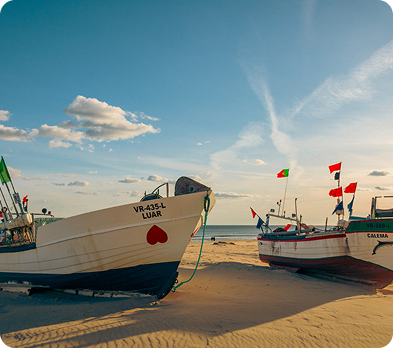
The elite American traveler of today seeks something deeper than five-star accommodations. Luxury travel is increasingly about exclusivity and narrative.
Private aviation has expanded accessibility to remote destinations, allowing affluent individuals to bypass traditional tourist routes. Ranch buyouts in the West, secluded coastal estates, and mountain retreats are designed for complete privacy.
Luxury travel trends include:
- Multi-generational private villa experiences
- Expedition-style adventures with bespoke guides
- Ultra-personalized wellness retreats
- Culinary immersion journeys
Affluent travelers want stories, not itineraries.
Instead of checking into hotels anonymously, they seek properties where staff understand preferences before arrival. Custom fragrance selections, preferred pillow densities, curated minibars—these details transform stays into personalized sanctuaries.
Luxury travel is no longer transactional. It is relational.
Elevated Everyday Living
Luxury lifestyle is not reserved for vacations. It is woven into daily routine.
High-income households prioritize morning rituals: personal training sessions, nutrient-dense chef-prepared breakfasts, quiet reading spaces overlooking landscaped gardens.
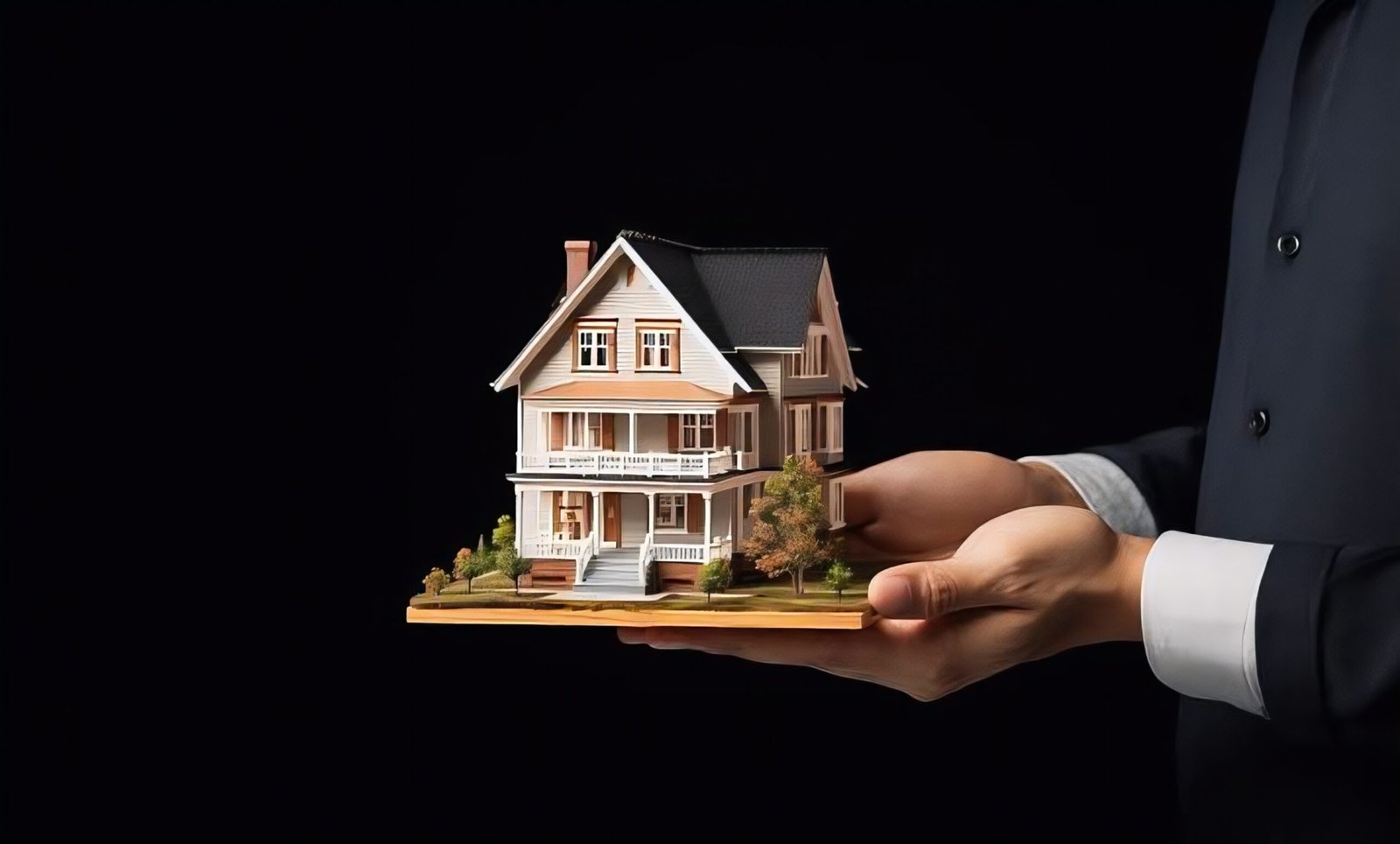
Homes are designed for multi-functionality. One wing may serve as a content creation studio. Another as a boardroom. Outdoor spaces double as entertainment venues.
The affluent American understands that productivity and comfort must coexist.
Even workspaces are elevated. Custom desks, integrated technology, art installations, and acoustically optimized meeting rooms transform professional environments into creative sanctuaries.
The Culinary Renaissance
Fine dining remains central to American luxury culture, but its role has expanded.
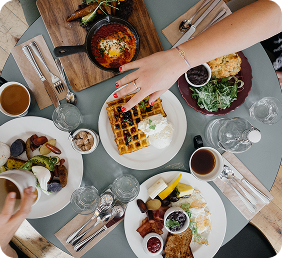
Affluent consumers are not merely restaurant patrons—they are culinary curators. Wine collections are built strategically, often guided by professional sommeliers. Private tastings are hosted within intimate social circles.
The rise of the private chef has accelerated. For many high-net-worth families, in-home culinary teams design weekly menus aligned with nutritional goals and seasonal ingredients.
Farm-to-table is now expected. Organic sourcing, rare imports, and experimental gastronomy define elite dining culture.
Experiential dining—where atmosphere, presentation, and storytelling converge—has become a hallmark of luxury.
Hosting is an art form. From table design to lighting ambiance, every element communicates sophistication.
Style Beyond Fashion
Luxury lifestyle extends into personal image, but with a shift toward subtlety.
Tailored wardrobes reflect individual identity rather than trends. Bespoke tailoring services and private fittings ensure garments align perfectly with body and brand.
Luxury is found in fabric quality, cut precision, and craftsmanship—not loud branding.
Accessories play a quiet yet powerful role. Limited-edition timepieces, handcrafted leather goods, and custom jewelry pieces act as personal signatures.
The affluent American does not dress to impress the masses. They dress to express alignment with their values and network.
The Role of Art and Culture
Cultural engagement has become integral to the luxury ecosystem.
Private art acquisitions, gallery previews, and curated installations within homes signal both taste and intellectual engagement. Collectors increasingly seek emerging artists to build distinctive portfolios.
Luxury lifestyle includes intellectual refinement.
Music salons, film screenings, literary gatherings, and design showcases enrich social environments. The affluent American understands that cultural fluency enhances influence.
The modern elite lifestyle blends business acumen with aesthetic appreciation.
Wellness Integration as a Lifestyle Standard
Wellness is not a trend; it is infrastructure.
High-end residences integrate spa-grade amenities. Infrared saunas, meditation rooms, saltwater pools, and cold therapy stations support physical resilience.
Nutrition is personalized. Blood work, metabolic testing, and supplement optimization are routine.
Luxury lifestyle also includes mental restoration. Silent retreats, executive coaching, and digital detox weekends protect cognitive performance.
Health is wealth—and elite Americans treat it as such.
Sustainability as Sophistication
Sustainability is now embedded within the luxury narrative.
Electric mobility, energy-efficient homes, responsibly sourced materials, and impact-driven investments reflect evolved priorities.
Affluent consumers are aware that legacy matters. Their purchasing decisions often reflect long-term environmental and social considerations.
True luxury is durable.
Social Architecture
Perhaps the most understated element of American luxury lifestyle is curated community.
Private dinners, strategic collaborations, and invitation-only gatherings shape social influence. Access to high-caliber individuals accelerates opportunity.
Luxury lifestyle is as much about who you know as what you own.
Networking has shifted from loud conferences to intimate experiences. Conversations occur over curated tastings, private performances, or closed-door roundtables.
The value lies in quality over quantity.
The Future of American Luxury Living
As 2026 unfolds, one thing is clear: American luxury lifestyle is becoming more thoughtful.
It prioritizes:
- Privacy over publicity
- Health over excess
- Craftsmanship over logos
- Access over ownership
- Purpose over performance
Affluent Americans are not retreating from luxury—they are redefining it.
Luxury today is holistic. It is the seamless integration of wealth, wellness, travel, culture, and community into a life that feels powerful yet grounded.
The new elite lifestyle is not about proving success.
It is about living it—quietly, intentionally, and exceptionally well.