
Miami’s Luxury Market as a Global Stage
Miami’s appeal has expanded dramatically among wealthy domestic and international buyers. The city attracts entrepreneurs, celebrities, athletes, investors, and global business figures seeking tax advantages, waterfront living, and year round luxury experiences. (miamirealestate.com)
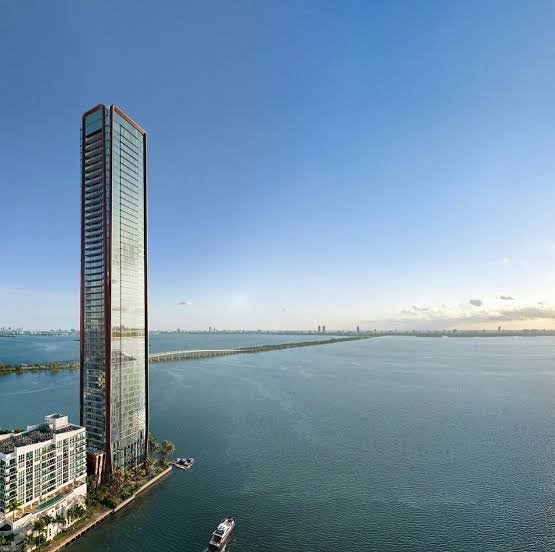
High demand for oceanfront mansions, branded condominiums, and smart luxury residences has pushed the city into a new category of global prestige. Areas such as Miami Beach, Brickell, Coconut Grove, Fisher Island, and Coral Gables have become internationally recognized luxury enclaves. (miamirealestate.com)
As the market grew more competitive, the role of the realtor also changed. Selling a luxury property was no longer only about listings and negotiations. It became about storytelling, exclusivity, and visibility.
The Realtor as a Lifestyle Brand
In earlier generations, luxury real estate agents operated largely behind the scenes. Today, many luxury realtors in Miami function almost like media personalities.
Their online presence often includes:
- Luxury home tours
- Exotic car appearances
- Yacht events
- Fashion partnerships
- Exclusive networking parties
- High production video content
This transformation has created a new type of professional identity where personal branding is nearly as important as industry expertise.
For someone entering the luxury market, image matters. Clients purchasing multimillion dollar properties often expect advisors who visually reflect the lifestyle associated with those homes.
Social Media Changed Luxury Real Estate Forever
Platforms such as Instagram, TikTok, and YouTube have fundamentally reshaped property marketing.
Luxury homes are now presented through cinematic walkthroughs, drone footage, architectural storytelling, and highly curated lifestyle content. Realtors use these platforms not just to advertise homes but to build aspirational identities.
A luxury property today is rarely marketed as simply a residence. Instead, it is presented as:
- A lifestyle experience
- A status symbol
- A wellness retreat
- A social environment
This type of storytelling resonates strongly with affluent buyers who are purchasing identity and exclusivity as much as physical space.
Branded Residences and the Culture of Prestige
One of the strongest drivers behind Miami’s luxury realtor culture is the rise of branded residences. Developments associated with luxury brands such as Bentley, Porsche, Aston Martin, Armani, and Dolce & Gabbana have turned condominiums into extensions of elite lifestyle branding. (The Wall Street Journal)
These projects are marketed less like buildings and more like luxury experiences. Realtors selling them often position themselves as ambassadors of that lifestyle.
Recent developments have expanded even further into entertainment culture. Palm Tree Residences, inspired by luxury music festivals, represents how branding and lifestyle integration are becoming central to Miami’s real estate identity. (The Wall Street Journal)
For luxury realtors, these properties create opportunities to market emotion, exclusivity, and social prestige rather than simply architecture.
Why Visibility Matters in Luxury Sales
In Miami’s high end market, trust and perception carry enormous weight.
Affluent clients often choose realtors based on:
- Reputation
- Network access
- Social visibility
- Lifestyle alignment
- Market authority
As a result, luxury agents increasingly invest in personal marketing strategies similar to influencers or entrepreneurs.
Some build massive social media followings by showcasing luxury lifestyles alongside real estate content. Others create podcasts, video series, or collaborations with celebrities and athletes.
This visibility helps establish credibility in a market where relationships and access are critical.
The Influence of Celebrity Culture
Miami’s luxury market has always attracted celebrity attention, but today that connection feels even stronger.
High profile buyers, athletes, musicians, and influencers frequently appear within luxury real estate narratives. Celebrity ownership adds cultural value to properties, while public visibility elevates the status of neighborhoods and developments.
Properties connected to figures such as David Beckham and other globally recognized personalities continue drawing international attention toward Miami’s elite housing market. (The Times of India)
For luxury realtors, association with celebrity culture can significantly strengthen personal brand recognition.
A Market Built Around Experience
Modern luxury buyers are looking beyond square footage or location alone. They increasingly prioritize experience driven living.
Current trends in Miami luxury real estate include:
- Wellness focused amenities
- Private spas and saunas
- Smart home integration
- Resort level concierge services
- Waterfront privacy
- Personalized lifestyle features
Luxury developments now compete through experiences rather than basic amenities. (Haven Lifestyles)
This shift naturally aligns with realtor culture because agents become storytellers translating these experiences into emotional appeal.
The Competitive Nature of the Ultra Luxury Market
Although Miami’s broader housing market has shown signs of adjustment, the ultra luxury segment remains remarkably resilient. Properties above $10 million continue attracting strong interest, particularly among international buyers and cash purchasers. (Riley Smith Group | Compass)
At the same time, competition among agents has intensified.
To stand out in this environment, many luxury realtors rely heavily on:
- High quality digital branding
- Exclusive client relationships
- Architectural expertise
- Market trend authority
- International networking
This competitive pressure has accelerated the rise of realtor culture as agents work to distinguish themselves within an increasingly crowded market.
The Influence Economy Within Real Estate
Luxury realtor culture also reflects the larger creator economy.
Much like influencers in fashion or entertainment, luxury real estate professionals now monetize visibility itself. Some generate significant attention through viral property tours, motivational content, or behind the scenes glimpses into elite lifestyles.
This creates a new hybrid role:
- Part realtor
- Part influencer
- Part entrepreneur
- Part luxury consultant
For younger audiences especially, these personalities make luxury real estate feel aspirational and culturally relevant.
Criticism and Questions Around the Culture
Despite its popularity, luxury realtor culture also faces criticism.
Some observers argue that the industry has become overly focused on appearance and social media visibility rather than expertise. Others question whether highly curated content creates unrealistic perceptions of wealth and success.
There are also concerns surrounding affordability and inequality within Miami’s housing market. Discussions online increasingly highlight the growing divide between ultra luxury development and broader housing accessibility. (Reddit)
This tension reflects a larger debate about modern luxury culture itself.
Why Miami Became the Perfect Environment
Few cities could support this type of realtor culture as effectively as Miami.
The city naturally combines:
- Luxury tourism
- International investment
- Entertainment culture
- Influencer visibility
- Waterfront prestige
- Nightlife and hospitality
This environment creates ideal conditions for real estate professionals to operate not just as agents, but as public luxury figures.
Miami’s visual identity also plays an important role. The city’s architecture, oceanfront skyline, exotic car culture, and nightlife create highly marketable imagery that thrives on digital platforms.
The Future of Luxury Realtor Culture
As technology and social media continue evolving, luxury realtor culture is likely to become even more influential.
Future trends may include:
- AI powered virtual property experiences
- Interactive digital showings
- Creator partnerships in real estate marketing
- Luxury realtors expanding into media and business ventures
- Greater integration between hospitality and residential branding
The line between influencer culture and real estate professionalism will likely continue to blur.
Conclusion
The rise of luxury realtor culture in Miami reflects far more than a real estate trend. It represents a transformation in how luxury itself is marketed, consumed, and experienced.
Today’s luxury realtor is often more than a property advisor. He or she may also function as a lifestyle curator, digital personality, marketer, and brand strategist.
In Miami’s ultra competitive high end market, visibility has become part of value itself.
As luxury real estate continues merging with entertainment, branding, and social media culture, Miami remains at the center of this evolution — a city where architecture, influence, and aspiration increasingly operate together as one industry.