
Fitness Influencers as Modern Celebrities
The most successful fitness personalities today operate similarly to mainstream celebrities. Their routines, relationships, diets, travels, and business ventures are constantly followed online.
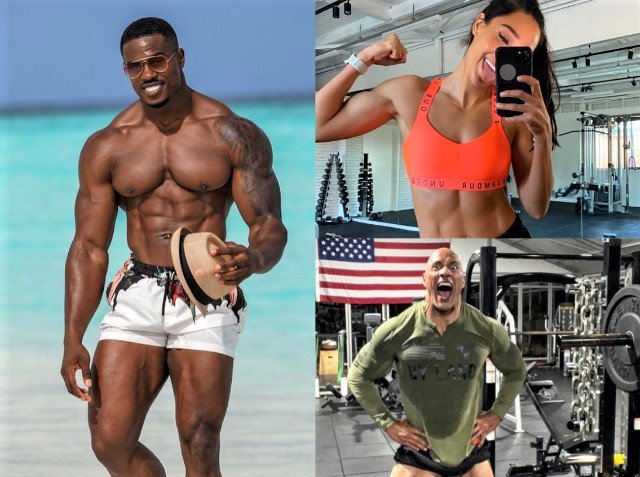
Figures such as Sommer Ray and Chris Bumstead have built audiences that extend far beyond fitness communities. Their influence now overlaps with fashion, luxury branding, supplements, entertainment, and entrepreneurship.
This visibility has transformed fitness influencing into a full scale business ecosystem where personal identity becomes central to commercial success.
The Daily Structure Behind the Content
While social media often presents glamorous highlights, the lifestyle of top fitness influencers is usually built around highly structured routines.
Most successful personalities organize their days carefully around:
- Training sessions
- Content creation
- Meal preparation
- Brand meetings
- Recovery and wellness
- Social media engagement
For someone operating at this level, consistency becomes essential. Their audience expects regular uploads, visible physical maintenance, and constant interaction.
What appears effortless online often requires significant planning behind the scenes.
Fitness and the Luxury Lifestyle Connection
One major reason fitness influencing became so popular is its connection to aspiration. Audiences are drawn not only to physical transformation but also to the lifestyle surrounding it.
Luxury gyms, exotic vacations, wellness retreats, private chefs, sports cars, and premium activewear are frequently integrated into fitness content. This combination creates a visual identity associated with discipline and success.
Many influencers carefully position fitness as part of a broader luxury lifestyle rather than an isolated activity.
This approach appeals strongly to younger audiences who increasingly associate wellness with social status and self improvement.
The Business of Personal Branding
Fitness influencing today is deeply tied to entrepreneurship.
Top creators generate revenue through:
- Supplement companies
- Fitness programs
- Clothing brands
- Sponsorships
- Mobile applications
- Subscription platforms
- Podcasting and media appearances
For example, Simeon Panda successfully expanded his digital popularity into fitness apparel and business ventures recognized internationally.
This shift reflects how modern influencers no longer depend solely on sponsorships. Many build businesses around their audience loyalty and personal identity.
Social Media Changed Fitness Culture Forever
Before social media, fitness knowledge was often limited to magazines, television, or professional trainers. Today, anyone with a smartphone can access workout tutorials, diet advice, and motivational content instantly.
This accessibility helped fitness content spread rapidly across digital platforms.
TikTok especially accelerated short form workout culture by making fitness feel more entertaining and approachable. Viral trends, transformations, and routine videos now reach millions of users daily.
For influencers, this creates enormous visibility but also constant pressure to remain relevant and visually appealing.
The Mental Discipline Behind the Image
Although fitness influencing often appears glamorous, maintaining that lifestyle requires significant discipline.
Most successful creators follow strict habits involving:
- Sleep schedules
- Nutrition control
- Physical recovery
- Training intensity
- Time management
For someone whose appearance is directly connected to career success, consistency becomes part of professional responsibility.
Many influencers also openly discuss the mental challenges associated with maintaining public expectations. Conversations surrounding burnout, body image pressure, and online criticism have become increasingly common within fitness communities.
Wellness Is Becoming More Important Than Appearance
A noticeable shift within fitness culture is the growing focus on wellness rather than aesthetics alone.
Earlier fitness content often emphasized extreme physiques and visual perfection. Today, many creators speak more openly about:
- Mental health
- Longevity
- Balance
- Sustainable fitness
- Self confidence
This evolution reflects changing audience preferences. Followers increasingly value authenticity and realistic health approaches over unrealistic perfection.
Influencers who embrace transparency often build stronger and more loyal communities.
The Influence of Technology and Algorithms
Technology plays a major role in shaping modern fitness influence.
Algorithms reward:
- Consistency
- Engagement
- Transformation content
- Emotional storytelling
- High quality visuals
As a result, fitness influencers must constantly adapt to platform trends and audience behavior.
Content today is not just about workouts. It includes editing styles, captions, branding strategy, and audience psychology.
Success often depends as much on media understanding as physical fitness itself.
Fitness Influencers and Consumer Culture
Fitness influencing has also become closely connected to consumer marketing.
Followers are regularly introduced to:
- Supplements
- Protein brands
- Fitness equipment
- Wellness apps
- Recovery products
- Activewear collections
This creates a powerful commercial ecosystem where lifestyle inspiration drives purchasing behavior.
For brands, fitness influencers provide direct access to highly engaged audiences already interested in self improvement and wellness products.
Criticism and Unrealistic Standards
Despite its popularity, influencer fitness culture also faces criticism.
Some audiences argue that heavily edited content and unrealistic body standards create unhealthy comparison. Others question the authenticity of certain sponsorships or transformation claims.
Discussions around performance enhancing substances, filters, and digital editing have also become more common online.
These conversations highlight the complexity of modern fitness culture where motivation and pressure often exist simultaneously.
Why Audiences Remain Drawn to Fitness Influencers
Even with criticism, fitness influencers continue attracting massive audiences because they represent transformation and possibility.
For many people, following fitness creators provides:
- Motivation
- Structure
- Entertainment
- Community
- Lifestyle inspiration
Watching someone maintain discipline and visible progress can feel encouraging in a world where consistency is often difficult.
This emotional connection is one reason fitness content remains among the most consumed categories online.
The Future of Fitness Influence in America
The next generation of fitness influencers will likely expand beyond workouts into broader wellness ecosystems.
Future trends may include:
- AI driven fitness coaching
- Personalized wellness platforms
- Virtual reality training experiences
- Holistic wellness communities
- Mental health focused fitness programs
As digital culture continues evolving, successful influencers will likely be those who balance physical transformation with authenticity and long term wellness messaging.
Conclusion
America’s most followed fitness influencers represent far more than workout culture. They embody a modern lifestyle built around discipline, branding, wellness, and digital visibility.
Their success reflects how fitness has become deeply integrated into entertainment, business, and online identity.
Behind the polished content and luxury presentation lies a demanding routine requiring consistency, adaptability, and constant public engagement.
In today’s digital world, fitness influence is no longer just about physical strength.
It is about building a lifestyle that millions of people aspire to follow.