
Social Media Changed the Beauty Industry Forever
Before social media, beauty trends were primarily introduced through:
- Fashion magazines
- Television commercials
- Celebrity endorsements
- Runway shows
The industry was controlled by major brands and media companies with limited public interaction.
Social media completely changed that system.
Platforms like YouTube and Instagram allowed makeup artists and beauty enthusiasts to create independent audiences by sharing tutorials, product reviews, and transformation videos directly with viewers.
This shift democratized beauty influence and allowed everyday creators to become powerful industry figures.
Beauty Became More Accessible and Interactive
One reason makeup influencers became so successful is accessibility.
Audiences no longer wanted beauty advice only from celebrities or luxury magazines. They preferred creators who felt relatable, approachable, and interactive.
Influencers built strong communities by:
- Answering questions directly
- Sharing honest product experiences
- Demonstrating techniques step by step
- Showing personal beauty journeys
This created trust and emotional connection in ways traditional advertising rarely achieved.
Beauty content also became more educational, helping audiences feel more confident experimenting with makeup and skincare themselves.
Influencers Turned Makeup Into Entertainment
Modern beauty content is not only instructional. It is also highly entertaining.
Beauty influencers often combine:
- Makeup artistry
- Humor
- Lifestyle storytelling
- Fashion trends
- Personal experiences
- Viral social media challenges
This entertainment value helped beauty content reach audiences far beyond traditional makeup enthusiasts.
Today, makeup videos regularly generate millions of views because they combine transformation, creativity, and personality in visually engaging ways.
Makeup Trends Spread Faster Than Ever
Social media accelerated the speed at which beauty trends spread across America.
A viral makeup technique or product recommendation can now influence consumer behavior almost instantly.
Popular trends often include:
- Contouring styles
- “Clean girl” aesthetics
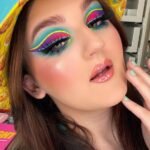
- Bold eye makeup
- Natural skin focused beauty
- Lip combinations
- Glowing skincare looks
Because influencers post content daily, beauty standards continuously evolve much faster than they did during previous generations.
Beauty Standards Became More Diverse
One of the most significant positive changes makeup influencers helped create is broader representation within beauty culture.
Traditional beauty industries historically focused heavily on narrow standards connected to:
- Limited skin tones
- Specific body types
- Conventional facial features
Social media opened space for creators from different backgrounds, cultures, and appearances to build influence independently.
Today, audiences are exposed to:
- Diverse skin tones
- Different makeup styles
- Various beauty traditions
- Gender inclusive beauty content
- Alternative aesthetics
This visibility helped many people feel more represented within mainstream beauty culture.
The Rise of “Perfect” Digital Beauty
At the same time, influencer culture also introduced new pressures surrounding appearance.
Filters, editing tools, lighting techniques, cosmetic procedures, and highly curated content often create beauty standards that can feel unrealistic.
Many viewers are constantly exposed to:
- Perfect skin
- Symmetrical facial features
- Highly polished appearances
- Luxury beauty routines
Critics argue this can increase insecurity, comparison culture, and pressure to maintain unrealistic standards.
Social media beauty culture therefore creates both empowerment and emotional pressure simultaneously.
Cosmetic Procedures Became More Normalized
Makeup influencers also contributed to the growing normalization of cosmetic enhancements.
Online beauty culture frequently discusses:
- Lip fillers
- Botox
- Skin treatments
- Facial contouring procedures
- Cosmetic surgeries
These conversations became more visible and less stigmatized partly because influencers openly document beauty transformations online.
While some audiences appreciate this transparency, others worry that younger viewers may feel increased pressure to alter their appearance.
Makeup Became Part of Personal Branding
For influencers themselves, makeup is often closely connected to identity and personal branding.
Beauty creators carefully develop recognizable aesthetics through:
- Signature makeup styles
- Color palettes
- Fashion coordination
- Skincare routines
- Lifestyle presentation
This branding helps influencers stand out in a highly competitive digital industry.
In modern social media culture, appearance itself frequently becomes part of professional identity and business success.
Beauty Influencers Became Major Entrepreneurs
Many makeup influencers expanded beyond content creation into business ownership.
Successful creators now launch:
- Makeup brands
- Skincare companies
- Beauty tools
- Fashion collaborations
- Wellness products
This transformation from influencer to entrepreneur became one of the defining trends within modern beauty culture.
Audiences often trust influencer founded brands because they feel more personal and community driven than traditional corporate marketing.
TikTok Changed Beauty Trends Again
TikTok accelerated beauty culture even further through short form viral content.
Quick tutorials, product hacks, and trend based videos now spread globally within days.
TikTok beauty culture emphasizes:
- Fast changing aesthetics
- Relatable content
- Everyday beauty routines
- Affordable product recommendations
The platform also made beauty trends feel more community driven and experimental compared to highly polished early Instagram beauty culture.
Male Makeup Influencers Expanded Industry Representation
The rise of male beauty influencers also challenged traditional ideas about makeup and self expression.
Male creators gained significant visibility through:
- Makeup artistry
- Skincare education
- Gender inclusive beauty content
- Creative cosmetic experimentation
This visibility helped normalize broader conversations around gender and beauty within American culture.
The beauty industry became more inclusive and flexible as a result.
Why Younger Generations Trust Influencers More
Many younger consumers trust makeup influencers more than traditional beauty advertising because influencers appear:
- More relatable
- More transparent
- More emotionally authentic
Audiences often feel they are receiving recommendations from real people rather than corporate campaigns.
This emotional trust gives influencers enormous power over:
- Product sales
- Beauty trends
- Consumer preferences
- Industry visibility
In many cases, influencer recommendations drive beauty purchasing decisions more effectively than celebrity advertisements.
Mental Health and Beauty Culture Conversations
As beauty influencer culture expanded, conversations around mental health and self image also became more common.
Many creators now openly discuss:
- Insecurity
- Acne struggles
- Body image issues
- Anxiety surrounding appearance
- Online criticism
This honesty helps audiences recognize that beauty standards online are often highly curated rather than fully realistic.
The conversation around authenticity became increasingly important within modern beauty culture.
The Future of Beauty Influence in America
Beauty influencer culture will likely continue evolving through:
- AI beauty technology
- Virtual makeup experiences
- Personalized skincare tools
- Digital beauty communities
- Augmented reality filters
At the same time, audiences may continue demanding greater authenticity, diversity, and transparency from creators and brands alike.
The beauty industry is becoming increasingly connected to technology, identity, wellness, and digital self expression.
Conclusion
Makeup influencers have fundamentally reshaped beauty standards across the United States by transforming how people discover trends, define attractiveness, and engage with self expression.
Through social media, beauty became more interactive, accessible, diverse, and personality driven than ever before.
At the same time, influencer culture also introduced new pressures connected to perfection, comparison, and digital image expectations.
Whether admired for creativity and inclusivity or criticized for unrealistic standards, makeup influencers undeniably hold enormous cultural power in modern America.
Today, beauty is no longer shaped only by magazines or celebrities.
It is shaped daily by millions of creators, viewers, trends, and digital conversations happening online.