

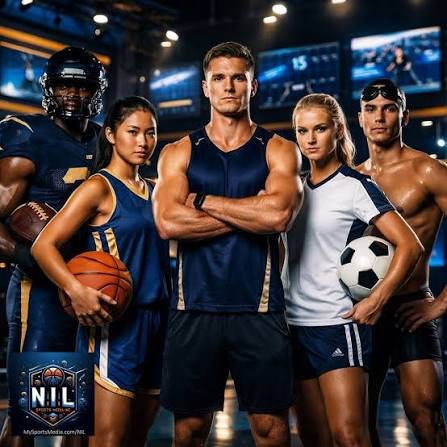
The relationship between sports and media has changed dramatically over the past decade. Athletes were once viewed primarily through their performance during games, tournaments, and championships. Today, however, they exist within a much larger ecosystem shaped by social media, digital storytelling, branding, and direct audience engagement.
Modern sports stars are no longer only competitors. They are influencers, entrepreneurs, content creators, and global personalities capable of shaping culture far beyond their sport.
Platforms like Instagram, TikTok, and YouTube have transformed how audiences connect with athletes. Fans no longer experience sports figures only during televised events. They follow their routines, opinions, fashion choices, travels, and personal lifestyles daily.
This shift created an entirely new category of public figure, the athlete influencer.
And in many ways, athlete influencers are becoming some of the most powerful media brands in modern culture.
The Evolution of the Modern Athlete
In previous generations, athletes depended heavily on sports networks, journalists, and sponsorship deals to build public visibility. Media companies controlled narratives, interviews, and exposure.
Social media changed that completely.
Today, athletes communicate directly with millions of followers without relying entirely on traditional media outlets. They can share training sessions, personal moments, business ventures, and opinions instantly.
This direct connection gives athletes something incredibly valuable, control over their personal brand.
Instead of being defined only by statistics or match performances, they now shape how audiences see them personally and professionally.
Social Media Changed the Rules of Fame
The digital era created a world where visibility extends far beyond professional achievements.
Fans today are interested in:
- Lifestyle
- Fashion
- Wellness routines
- Luxury experiences
- Behind the scenes content
- Personal stories
Athletes who understand this shift often build stronger engagement than those who focus only on competition.
For audiences, following an athlete now feels more personal and interactive. They are not only supporting a player during games. They are following a personality, identity, and lifestyle.
This emotional connection strengthens audience loyalty and expands influence beyond sports itself.
Athletes Are Becoming Full Scale Brands
One of the biggest changes in modern sports culture is the transformation of athletes into standalone brands.
Today’s sports stars often manage:
- Personal product lines
- Fashion collaborations
- Business investments
- Media partnerships
- Content platforms
- Brand campaigns
Their identity becomes larger than the sport they play.
This shift is important because it creates long term opportunities beyond athletic careers. Performance in sports has a natural timeline, but a strong personal brand can continue generating influence and revenue for decades.
Athletes today are thinking more strategically about legacy, ownership, and business expansion.
The Influence of Lifestyle Culture
Luxury lifestyle culture has played a major role in the rise of athlete influencers.
Private travel, designer fashion, exclusive events, luxury watches, and elite networking have become central parts of modern sports visibility. Audiences are fascinated not only by competition, but also by the lifestyle surrounding success.
Athletes now appear regularly at:
- Fashion weeks
- Grand Prix events
- Brand launches
- Celebrity gatherings
- High profile social events
These appearances strengthen their relevance outside sports and introduce them to entirely new audiences.
In many cases, athletes today hold influence comparable to entertainers and celebrities.
Why Audiences Connect So Deeply With Athletes
Athletes hold a unique position in modern culture because they represent both achievement and relatability.
Unlike fictional celebrities or highly scripted personalities, sports figures often build their image through visible effort, discipline, and competition. Audiences witness victories, failures, injuries, and comebacks in real time.
This creates emotional investment.
When athletes share personal moments online, fans feel connected not only to success, but also to struggle and growth. That emotional connection strengthens trust and loyalty significantly.
In the influencer era, authenticity has become one of the most valuable qualities any public figure can possess.
The Business Value of Athlete Influence
Brands increasingly recognize the power of athlete influencers because sports audiences are highly engaged and emotionally loyal.
An athlete with strong digital presence offers:
- Massive visibility
- Audience trust
- Cultural influence
- Lifestyle association
- Global reach
This makes athletes extremely valuable for marketing partnerships and brand collaborations.
Unlike traditional advertising, influencer driven marketing feels more personal and integrated into everyday content consumption.
As a result, sports stars today often generate business opportunities that extend far beyond sponsorship deals alone.
Media Companies No Longer Control Everything
One of the most important shifts in modern sports culture is the reduction of media gatekeeping.
In the past, sports networks and journalists controlled most athlete narratives. Today, athletes can:
- Share opinions directly
- Release personal content
- Address controversies instantly
- Build independent audiences
This independence changes power dynamics significantly.
Athletes are no longer only subjects of media coverage. They are becoming media platforms themselves.
This transformation explains why so many sports stars are launching podcasts, production companies, YouTube channels, and personal media ventures.
The Rise of Athlete Entrepreneurship
Modern athletes increasingly understand that influence can become ownership.
Many sports stars now invest in:
- Technology companies
- Fashion brands
- Wellness businesses
- Sports ventures
- Media production
This entrepreneurial mindset reflects a broader understanding of wealth and long term relevance.
Athletes today are thinking beyond contracts and endorsements. They are building ecosystems around their personal brands.
This approach creates financial stability even after retirement from professional competition.
Fashion and Sports Are Closer Than Ever
One of the clearest signs of athlete influence is the growing relationship between sports and fashion.
Athletes are now viewed as style icons and cultural trendsetters. Their outfits, collaborations, and appearances generate major online discussion regularly.
Luxury fashion brands increasingly partner with athletes because sports figures bring:
- Authenticity
- Massive engagement
- Global visibility
- Youth audience connection
This crossover has helped athletes expand influence into mainstream entertainment and luxury culture.
The Pressure Behind Constant Visibility
While athlete influence creates enormous opportunity, it also comes with pressure.
Social media has created an environment where athletes are constantly visible. Every statement, appearance, or performance can trigger intense public reaction.
For many athletes, maintaining a personal brand requires balancing:
- Authenticity
- Professional image
- Audience expectations
- Privacy
This constant visibility can become emotionally demanding, especially when criticism spreads rapidly online.
Modern athletes must now manage both competition and public perception simultaneously.
Why Athlete Influencers Will Continue Growing
The rise of athlete influencers reflects larger cultural changes in how audiences consume entertainment and media.
People today prefer:
- Direct connection
- Personal storytelling
- Behind the scenes access
- Authentic personalities
Athletes naturally fit this environment because their careers already involve emotion, competition, and public visibility.
As digital culture continues evolving, sports stars will likely become even more influential across industries such as entertainment, fashion, business, and media.
Conclusion
The rise of athlete influencers represents one of the biggest transformations in modern sports culture. Today’s athletes are no longer defined only by championships or statistics. They are becoming media brands capable of shaping conversations far beyond the game itself.
Through social media, branding, entrepreneurship, and cultural influence, sports stars are building identities that extend into fashion, business, entertainment, and lifestyle.
More importantly, this shift reflects a larger reality about modern influence. Audiences no longer connect only with performance. They connect with personality, storytelling, and authenticity.
And in the digital era, that combination has the power to turn athletes into some of the most influential media figures in the world.