

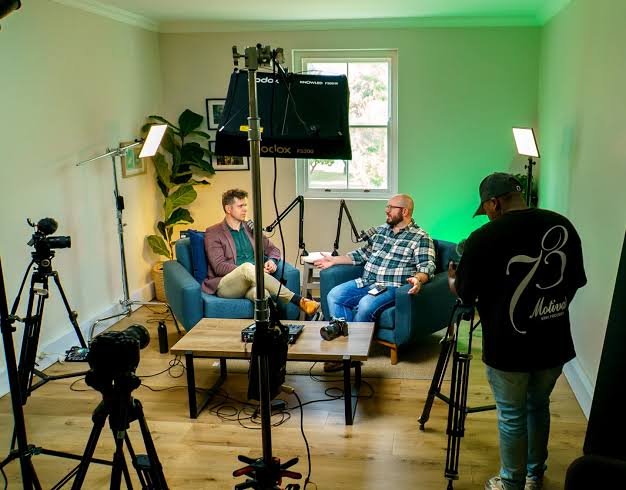
Why Podcasts Became So Popular
One major reason behind the growth of podcasts is accessibility.
Unlike television or traditional broadcasting, podcasts allow audiences to consume content:
- Anytime
- Anywhere
- On demand
- Without strict scheduling
People listen while:
- Driving
- Exercising
- Traveling
- Working
- Cooking
- Relaxing at home
This flexibility made podcasts fit naturally into modern lifestyles where convenience and multitasking matter more than fixed programming schedules.
At the same time, smartphones and streaming platforms made discovering new creators easier than ever before.
Long Form Conversations Changed Audience Behavior
One of the biggest differences between podcasts and traditional media is depth.
Television interviews are often heavily edited and limited by time constraints. Podcasts, however, allow long form conversations lasting one to three hours or more.
This format creates space for:
- Detailed discussion
- Personal storytelling
- Nuanced opinions
- Emotional authenticity
Audiences increasingly prefer this style because it feels more natural and less scripted.
Listeners often develop stronger emotional connections with podcast hosts because they spend extended time hearing their thoughts, personalities, and perspectives regularly.
Podcasts Created a More Personal Media Experience
Podcasts feel intimate in ways many traditional media platforms do not.
Listening through headphones creates the feeling of direct conversation. Over time, audiences begin viewing hosts almost like familiar personalities rather than distant celebrities or journalists.
This emotional closeness builds loyalty that is extremely valuable.
Many successful podcast hosts now influence:
- Consumer behavior
- Political conversations
- Cultural trends
- Business visibility
- Public opinion
In some cases, podcast audiences are more engaged and trusting than audiences built through traditional media channels.
Celebrity and Entrepreneurial Podcasts Expanded the Industry
The podcast industry accelerated rapidly once celebrities, athletes, entrepreneurs, and influencers entered the space.
Public figures realized podcasts allowed them to:
- Control their narrative
- Speak without heavy media filtering
- Build direct audience relationships
- Monetize attention independently
Today, many high profile personalities use podcasts as extensions of personal branding.
Shows hosted by entrepreneurs, athletes, comedians, and influencers often combine:
- Entertainment
- Lifestyle discussion
- Business promotion
- Cultural commentary
- Personal storytelling
This blend attracts audiences looking for both information and personality driven content.
Podcasts Became a Business Empire
Podcasting is now a massive industry generating revenue through:
- Sponsorships
- Advertising
- Subscription platforms
- Exclusive streaming deals
- Merchandise
- Live tours
- Brand partnerships
Top podcast hosts earn millions of dollars annually while maintaining significant creative independence.
Streaming companies and media platforms increasingly compete for exclusive podcast rights because highly engaged audiences are extremely valuable commercially.
This financial growth helped transform podcasting from independent media into a major entertainment and advertising sector.
The Influence of Authenticity
One reason podcasts outperform many traditional formats is authenticity.
Audiences today are increasingly skeptical of overly polished or corporate communication. Podcasts often feel more spontaneous and emotionally honest.
Hosts openly discuss:
- Personal experiences
- Business struggles
- Relationships
- Mental health
- Politics and controversy
This openness creates trust and relatability.
In modern media culture, audiences frequently value authenticity more than perfect presentation.
Social Media Accelerated Podcast Growth
Social media platforms played a huge role in podcast expansion.
Short clips from podcast interviews regularly go viral on:
- TikTok
- Instagram Reels
- YouTube Shorts
- X and LinkedIn
These clips expose millions of people to podcast conversations quickly.
A single viral moment can dramatically increase:
- Downloads
- Audience visibility
- Cultural relevance
- Sponsorship opportunities
This connection between long form audio and short form social media created a highly effective content ecosystem.
Podcasts Are Challenging Traditional Journalism
High profile podcasts are increasingly competing with traditional news and television platforms for public attention.
Major political figures, celebrities, and entrepreneurs now frequently choose podcasts for important interviews because:
- They reach younger audiences
- Conversations feel less restrictive
- The environment feels more controlled and personal
This shift has changed how information spreads publicly.
Many podcast hosts now hold influence levels comparable to television anchors or major media personalities.
Independent Media Became More Powerful
Podcasting also represents a broader movement toward independent media.
Traditional media companies once acted as gatekeepers controlling distribution and visibility. Podcasts reduced those barriers significantly.
Today, individuals can build massive audiences independently with:
- Minimal infrastructure
- Direct audience relationships
- Digital distribution platforms
This democratization changed who gets to shape conversations publicly.
Independent creators now compete directly with established media organizations for attention and influence.
The Role of Controversy and Debate
Podcasts also became popular because they allow more open discussion around controversial or complex topics.
Unlike highly edited television segments, podcast conversations often feel less censored or restricted. Audiences are drawn to discussions that appear more honest, even when opinions become divisive.
This freedom helped podcasts become major platforms for:
- Political commentary
- Social debates
- Entrepreneurial ideology
- Cultural criticism
At the same time, critics argue that podcasts can sometimes spread misinformation because conversations are often less moderated than traditional journalism.
Why Younger Audiences Prefer Podcasts
Younger generations especially prefer podcasts because they align with modern digital habits.
Podcasts offer:
- Personalized content choices
- Flexible listening
- Authentic communication
- Niche communities
- Direct creator relationships
Unlike traditional television, podcasts feel less institutional and more community driven.
This connection is especially important in a digital era where audiences increasingly value individuality and independence.
Video Podcasts Changed the Industry Again
The rise of video podcasting further expanded the industry’s influence.
Many popular shows now operate simultaneously as:
- Audio podcasts
- YouTube programs
- Social media clip channels
This multiplatform presence dramatically increases visibility and monetization opportunities.
Video also strengthens emotional connection because audiences can observe facial expressions, reactions, and personal interaction more directly.
As a result, podcast hosts increasingly function like full scale media personalities.
The Future of Podcast Media Power
Podcasting is expected to continue growing across entertainment, politics, business, and education.
Future trends may include:
- AI assisted podcast production
- Interactive listener experiences
- More celebrity owned podcast networks
- Exclusive streaming partnerships
- Personalized content recommendations
The industry will likely become even more influential as audiences continue shifting away from traditional media consumption habits.
Conclusion
High profile podcasts became powerful because they offer something modern audiences increasingly value: direct, authentic, long form human conversation.
In an era dominated by short attention spans and highly filtered content, podcasts create space for personality, nuance, storytelling, and emotional connection.
They have transformed from niche digital audio into a major force shaping culture, business, politics, and public opinion in America.
Today, podcast hosts are no longer simply entertainers or interviewers.
Many have become some of the most influential media figures in the country.
And as traditional media continues evolving, podcasts are likely to remain at the center of how modern audiences choose to listen, learn, and connect.