

**The Internet Became Saturated With Performance**
One reason authenticity has become so valuable is because audiences are overwhelmed by constant performance online.
Social media feeds are filled with:
* Highly curated lifestyles
* Manufactured reactions
* Trend chasing content
* Artificial engagement
* Repetitive viral formats
* Excessive self promotion
Over time, users became increasingly aware that much of what they were consuming was carefully designed for attention rather than genuine communication.
As audiences grew more digitally experienced, emotional trust began replacing surface level entertainment as a major source of engagement.
For someone spending hours online daily, authenticity now feels refreshing because it appears increasingly rare.
## **Virality Often Creates Temporary Attention**
Viral success can create extraordinary exposure in a short period of time. However, attention alone does not always create trust, loyalty, or meaningful influence.
Many creators experience rapid visibility through trends but struggle to maintain long term audience connection afterward.
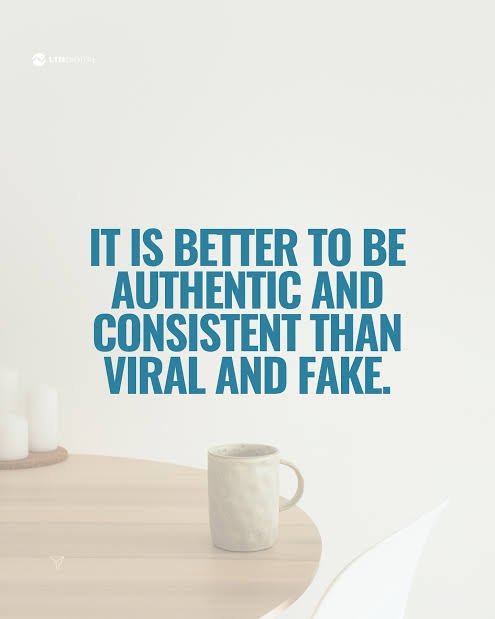
This happens because virality is often built around moments, while authenticity is built around identity.
Someone may watch a viral video once and never return. But audiences who feel emotionally connected to a creator, entrepreneur, or public figure are far more likely to remain engaged over time.
This distinction is becoming increasingly important within creator culture, branding, and modern business.
## **Audiences Want Human Connection Again**
Modern audiences are no longer satisfied only with polished perfection.
They increasingly value:
* Honest conversations
* Vulnerability
* Transparency
* Personal storytelling
* Emotional realism
This reflects a larger emotional shift happening across digital spaces.
People want creators and public figures who feel human rather than distant. They want to see personalities, imperfections, growth, and genuine perspective rather than endless performance optimized for algorithms.
For someone navigating highly digital environments, authenticity creates emotional comfort and trust.
That emotional trust has become more powerful than temporary online attention.
## **The Creator Economy Is Evolving**
Platforms like Instagram, TikTok, and YouTube initially rewarded highly viral formats because they increased user engagement rapidly.
Today, however, many creators are discovering that sustainable influence depends on something deeper than trends alone.
Creators with loyal communities often outperform creators with occasional viral success because community creates consistency.
This has encouraged many influencers and entrepreneurs to focus more on:
* Long form storytelling
* Meaningful audience interaction
* Authentic brand identity
* Consistent personal values
Rather than chasing every trend, many are now building stronger emotional ecosystems around their content.
## **Brands Are Prioritizing Trust Over Reach**
The business world is also responding to this cultural shift.
Brands increasingly recognize that audiences respond more positively to authenticity than excessive advertising performance.
Consumers today quickly recognize:
* Forced marketing
* Inauthentic endorsements
* Artificial storytelling
* Performative branding
As a result, companies are now investing more heavily in creators and campaigns that feel emotionally believable.
For modern brands, trust has become a critical business asset.
Someone with a smaller but highly engaged audience may now provide more long term value than someone with massive but emotionally disconnected visibility.
## **Authenticity Creates Long Term Influence**
One major difference between authenticity and virality is longevity.
Viral moments often disappear quickly because internet culture moves at extraordinary speed. What dominates attention today may be forgotten within days.
Authenticity, however, builds reputation gradually over time.
Creators and entrepreneurs who consistently communicate honestly often develop:
* Stronger audience loyalty
* Better brand partnerships
* Deeper emotional engagement
* Greater long term credibility
This creates influence that survives beyond algorithms and trends.
For someone building a public identity today, emotional trust may become more valuable than temporary reach.
## **The Mental Exhaustion of Constant Performance**
Another reason audiences value authenticity is because digital performance culture has become emotionally exhausting.
The pressure to constantly appear successful, attractive, productive, and entertaining has affected both creators and viewers.
Many people are becoming tired of unrealistic perfection and nonstop self promotion.
Authenticity offers relief from this environment because it feels emotionally grounded.
Content that includes honesty, vulnerability, or realism often creates stronger emotional reactions precisely because it contrasts with the highly curated nature of modern platforms.
## **Younger Audiences Detect Inauthenticity Faster**
Younger generations grew up entirely within digital culture. Because of this, they often recognize performative behavior very quickly.
Audiences today can usually identify:
* Forced relatability
* Artificial emotion
* Trend manipulation
* Overproduced personalities
This increased awareness means authenticity is no longer optional for long term influence.
For creators and public figures, audiences now expect emotional consistency between public image and personal communication.
Trust is becoming harder to earn and easier to lose.
## **Authenticity and Luxury Are Also Converging**
Interestingly, even luxury culture is shifting toward authenticity.
Modern audiences increasingly admire public figures who combine success with emotional honesty rather than excessive performance.
Luxury brands and influencers now often emphasize:
* Personal storytelling
* Lifestyle balance
* Wellness
* Purpose driven identity
* Emotional connection
This reflects a broader movement where sophistication is becoming associated with subtlety and sincerity rather than constant display.
## **AI and the Future of Human Authenticity**
As Artificial Intelligence becomes more integrated into content creation, authenticity may become even more valuable.
AI can now generate:
* Images
* Videos
* Captions
* Voiceovers
* Digital personalities
As digital spaces become increasingly artificial, genuine human emotion and personal perspective may stand out even more strongly.
Audiences may begin valuing real experiences precisely because technology can imitate almost everything else.
This could make authenticity one of the most powerful forms of digital currency in the future.
## **The Difference Between Being Seen and Being Trusted**
Virality creates visibility.
Authenticity creates trust.
That distinction explains why many creators with smaller audiences often build stronger communities and more sustainable influence than creators focused entirely on attention.
In today’s digital environment, being constantly visible does not necessarily mean being respected or emotionally valued.
Trust now carries greater cultural and business value than temporary internet fame alone.
## **Conclusion**
The internet is entering a new phase where emotional connection matters more than constant performance.
While virality continues shaping online culture, authenticity is increasingly becoming the foundation of long term influence, trust, and audience loyalty.
Audiences are growing more emotionally intelligent, more selective, and more aware of artificial behavior across digital spaces.
As a result, creators, entrepreneurs, influencers, and brands that communicate with honesty and emotional realism are building deeper and more lasting relationships with audiences.
And in a world filled with algorithms competing endlessly for attention, authenticity may ultimately become the rarest and most valuable form of influence of all.