

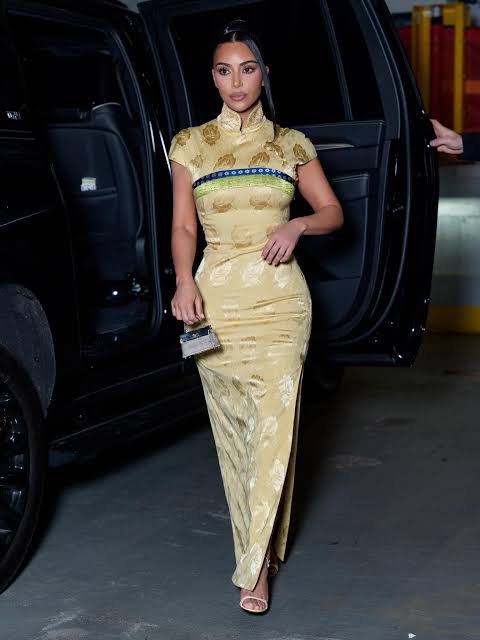
The Beginning of a New Celebrity Era
Kim Kardashian first gained mainstream visibility through reality television during a period when celebrity culture itself was beginning to change.
Traditional fame had long been controlled by:
- Hollywood studios
- Fashion magazines
- Television networks
- Music industries
But the rise of social media started shifting that structure.
Public figures could suddenly communicate directly with audiences without relying entirely on traditional media gatekeepers.
Kim Kardashian recognized this transformation earlier than many established celebrities. Instead of treating visibility as temporary attention, she treated it like infrastructure for future business growth.
That mindset became the foundation of her empire.
Turning Visibility Into a Personal Brand
One of the biggest reasons behind her success is the way she transformed personal identity into a global brand.
Everything became part of the brand ecosystem:
- Fashion choices
- Beauty routines
- Lifestyle aesthetics
- Family visibility
- Social media presence
- Public appearances
Rather than separating personal life from marketing, she integrated them together strategically.
For audiences, this created constant engagement because followers were not only consuming products. They were consuming a lifestyle narrative.
This emotional familiarity helped strengthen audience loyalty over time.
The Power of Social Media Mastery
Platforms like Instagram, Twitter, and TikTok became central to her business strategy.
Unlike traditional celebrities who relied heavily on interviews and television appearances, Kim Kardashian used social media as a direct communication channel with millions of people globally.
This gave her:
- Immediate audience access
- Marketing control
- Brand visibility
- Consumer insight
- Massive engagement power
Every post became both content and promotion.
She understood that consistent visibility keeps audiences emotionally connected, and emotional connection drives consumer behavior.
Building Businesses Beyond Fame
Many celebrities launch products.
Far fewer build scalable companies.
Kim Kardashian’s business growth became especially significant because she expanded beyond endorsements into ownership driven entrepreneurship.
Her ventures in:
- Beauty
- Fashion
- Fragrance
- Skincare
- Lifestyle branding
allowed her to move from celebrity promotion into direct business leadership.
Most importantly, she built brands connected directly to her audience identity rather than disconnected corporate marketing.
Consumers often purchased products because they trusted the lifestyle and image associated with her personal brand.
That emotional connection became one of her strongest competitive advantages.
The Success of SKIMS
One of the clearest examples of her business evolution is the rise of SKIMS.
The company succeeded not only because of celebrity visibility but because it aligned with changing consumer culture around inclusivity, comfort, and modern body representation.
SKIMS quickly expanded beyond shapewear into:
- Loungewear
- Basics
- Swimwear
- Menswear
- Luxury essentials
The brand’s marketing strategy combined:
- Influencer culture
- Celebrity visibility
- Social media virality
- Minimalist luxury aesthetics
This helped position SKIMS as both fashionable and culturally relevant.
Its rapid growth demonstrated that her influence could generate long term business success beyond temporary trends.
Understanding Modern Consumer Psychology
One reason Kim Kardashian became so successful is because she understands modern consumer behavior extremely well.
Today’s consumers often buy based on:
- Identity
- Aspiration
- Emotional connection
- Lifestyle alignment
Rather than selling products alone, her businesses sell participation in a larger lifestyle narrative.
Followers feel emotionally connected to the brand because they already feel connected to the personality behind it.
This creates stronger loyalty than traditional advertising often achieves.
Criticism and Public Scrutiny
Despite her success, Kim Kardashian has consistently faced criticism throughout her career.
Some critics questioned:
- The legitimacy of influencer driven businesses
- Celebrity privilege
- Hyper visibility culture
- Luxury focused branding
However, her longevity in business suggests that influence itself has become a legitimate form of economic power in the digital age.
Her ability to remain culturally relevant across multiple generations of internet culture reflects strong adaptability and strategic understanding of audience behavior.
For someone operating within modern media environments, maintaining long term relevance may be one of the hardest achievements of all.
The Rise of the Celebrity Entrepreneur
Kim Kardashian also helped normalize the idea of celebrities becoming serious entrepreneurs.
In earlier decades, celebrity businesses were often treated as side projects.
Today, public figures increasingly build:
- Beauty empires
- Fashion companies
- Wellness brands
- Technology startups
- Investment portfolios
This shift reflects a broader transformation where fame itself functions as business leverage.
Kim Kardashian became one of the clearest examples of how influence can scale into large corporate value.
The Business of Attention
Modern business increasingly operates within the attention economy.
Visibility creates opportunity.
Engagement creates influence.
Influence creates revenue.
Kim Kardashian understood this structure earlier than many traditional business leaders.
She recognized that:
- Audience attention has financial value
- Personal branding can scale globally
- Digital visibility drives consumer behavior
Her empire reflects how modern entrepreneurship is increasingly connected to media presence rather than traditional advertising alone.
The Role of Luxury and Aspiration
Luxury aesthetics played a major role in strengthening her brand identity.
High fashion, exclusive events, luxury travel, and premium lifestyle imagery reinforced aspiration around her public image.
Audiences are naturally drawn toward ambition and elevated lifestyles.
At the same time, her content often balanced luxury with relatability through family moments, humor, and personal openness.
This balance helped maintain broad audience appeal.
Influence Became a Corporate Asset
One of the most important lessons from her success is that influence itself can function as a scalable business asset.
In the digital era:
- Followers can become customers
- Visibility can become distribution
- Personal identity can become intellectual property
Kim Kardashian built one of the clearest examples of this new economic model.
Her empire reflects a larger shift where personal brands increasingly compete with traditional corporations in influence and market power.
The Future of Influence Driven Business
The model pioneered by Kim Kardashian continues influencing a new generation of creators and entrepreneurs.
Today’s digital founders increasingly understand that:
- Audience trust matters deeply
- Personal branding drives business growth
- Emotional connection creates loyalty
- Social platforms can replace traditional media systems
This approach is now shaping industries far beyond entertainment.
Conclusion
Kim Kardashian’s transformation from reality television personality into a global business leader represents one of the defining stories of modern digital entrepreneurship.
Her success was not built only on fame itself, but on understanding how attention, branding, emotional connection, and business strategy could work together in the social media era.
She helped redefine what influence means in modern culture.
What once appeared to some people as temporary celebrity visibility ultimately became a billion dollar business ecosystem powered by audience connection and strategic personal branding.
And in today’s attention driven economy, her journey continues proving that influence, when managed strategically, can become one of the most powerful forms of business capital in the world.